4/15/20 Primary Care and Public Health COVID Updates

It has been 25-28 days since local and State-wide Orders to Stay at Home was issued, and there are early signs that this (combined with related activities: many essential staff working from home, physical distancing, wearing facial coverings in public) have slowed the rate of new case identification, deaths, hospitalizations, and ICU bed utilization.  It is too soon to ease up on vigorous public health measures, but this trend, combined with analysis of current bed capacity suggests that the peak number of cases for this first wave of COVID-19 in our region may not stress our health care delivery system as severely as we were concerned about earlier.  The price of this apparent success is a large non-immune (and therefore susceptible to COVID) population which can lead to rapid focal outbreaks as public health measures are eased.  Yesterday Governor Newsom described the outline of how this delicate task might unfold.

A major task for outpatient providers will be to establish trust in the population that they can safely come in to the office for important medical, dental, vision, lab, radiology and physical therapy visits (that cannot adequately be done via video visits), even while many public health restrictions remain in place.  To be successful, practices will need to pair careful adherence to rigorous infection control procedures with a positive yet nuanced marketing campaign.

Here is a summary of major updates from PHC, the state and the medical word related to COVID-19, from the last 5 days.

1. Policy Updates:

A. Pending Changes to the 2020 PCP QIP: Due to the extenuating                        circumstances related to COVID-19, PHC’s internal and external                        committees have made recommendations for changes to the 2020 Primary      Care Provider Quality Improvement Program (PCP QIP).  The Core                  Measurement Set will be modified to a smaller group of measures, with            more attainable benchmark goals, as noted below.

Proposed Point Allocation and Threshold Changes:

  Family Practice Internal Medicine Pediatrics 50th Percentile
Clinical Measures Points per measure Full Points
Well-Child  Visit, First 15 months of Life (W15) 15.0 25.0 65.83%
Controlling High Blood Pressure (CBP) 15.0 20.0 61.04%
Colorectal Cancer Screening (COL)* 12.5 20.0 32.24%
Diabetes – HbA1C Good Control <9 (A1c) (CDC) 12.5 20.0 50.97%
Childhood Immunization Combo 10 (CIS-10) 15.0 25.0 34.79%
Asthma Medication Ratio (AMR) 15.0 20.0 25.0 63.58%
Non-Clinical Measures      
PCP Office Visits** 15.0 20.0 25.0 TBD
TOTAL POINTS AVAILABLE 100.0 100.0 100.0

* Colorectal Cancer Screening is the only measure in the PCP QIP that does not have an NCQA Threshold equivalent for PHC. The threshold here is the 25th percentile across the entire plan.

** The threshold for PCP Office Visits will be established after PHC has more data on the impact of the COVID-19 Pandemic and orders to shelter in place.

    The specifications for measures in the Core Measurement Set are not              changing, but some specification modifications are proposed for several            Unit of Service Measures.  Of note, we are lowering the thresholds for              submission of attestations for advance care planning conversations and            Advance Directives/POLST form updating.  This is an excellent time to              focus attention on this measure, as noted below.

    This collection of changes is a proposal that is pending final approval       and final specifications.  Final approval will be obtained from our               Physician Advisory Committee, in early May 2020.  The final details and       full specifications will be released by Mid-May 2020.  We are informing you       of the highlights of the Core Measure Set Changes so you can align your         activities to this more focused group of measures.

B. Difficult Conversations in the Time of COVID-19. Geriatricians are noting           greater receptivity to advance care planning conversations during the               COVID pandemic.  If your PCP practice has extra capacity, you may be             considering outreaching to more vulnerable patients to update their                   advance directives and POLST forms.  The Coalition for Compassionate           Care of California is hosting a free webinar today at noon by an expert in           palliative care communication, Robert Arnold.  A recording of this webinar         will be available afterwards on their website.  An excellent prior webinar             covering advance care planning in a virtual visit environment and other             COVID-specific issues is also available, on the same page.  The Coalition         also has put together an excellent COVID Conversations Toolbox with               other resources.

C. Presumptive Eligibility for Uninsured or Underinsured individuals with                COVID.  The Department of Health Care Services (DHCS) is creating a            new aid code that will allow individuals to seek the necessary diagnostic            testing, testing-related services, and treatment services, including all                medically necessary care, through the Medi-Cal fee-for-service (FFS)            program.  This new aid code will be available to California residents with          no insurance or who currently have private insurance that does not cover          diagnostic testing, testing-related services, and treatment service, including      all medically necessary care for COVID-19.  It will be available, regardless        of the person’s immigration status, income, or resources.

    The covered diagnostic test, testing-related services, and treatment                  services, including all medically necessary care such as the associated            office, clinic, or emergency room visit are paid up to the maximum FFS              Medi-Cal rate.  Individuals in this program will not be enrolled in a              Medi-Cal managed care plan, so services must be billed through FFS. 

D. DHCS requested flexibility on timing of Initial Health Assessments (IHA) for       new Medi-Cal beneficiaries.  CMS requires DHCS to require the health             plans to ensure that all new Medi-Cal beneficiaries have an initial health           assessment (a first visit, including a health screening with the DHCS’s               Staying Healthy Assessment questionnaire.  Normally this assessment             includes an examination and must occur within 120 days of enrollment into       Medi-Cal Managed care.  Since a new Medi-Cal member has 1 month to           select a PCP, the assigned PCP has about 90 days to complete this                   assessment.

     Four days ago, DHCS requested the flexibility to have up to 180 days to           complete this initial assessment.  We will monitor this and inform you when       CMS responds.  In the meantime, as mentioned in the last email (related to       state prisoner release), we hope you will develop a process for conducting       new patient intake appointments through virtual visits.

2. Coronavirus PCR Testing

A. Quest issued an updated specimen collection guide (attached). This                   includes the methodology for collecting nasal swab specimens (which can         be self-collected), as well as a number of permitted substitutions for scarce       collection gathering supplies.

B. Scarce testing materials being spread out.  Quest informed us that due to         regulatory reasons related to responding to a shortage of supplies, testing         materials that are sent out must be mostly used up before replacement             testing materials are replenished.  This means that most large volume               testers will be frequently feeling like they are on the verge of running out of       supplies.  Close communication as any particular component of testing             runs low is important.

C. Adapting testing recommendations in office setting as tests become more        available.  The CDC recommends that individuals with mild illness consult        their medical provider to decide if they should be tested or not.  Office-              based testing criteria may be looser than County Health Department                  criteria for testing.  If patient is staying at home anyway, there is little                  urgency in identifying milder cases of COVID.

    As testing becomes more available, and as Stay at Home Orders are lifted,      we must think differently about testing milder illness to identify clusters of          infection earlier.  County Health Departments will be involved in making            recommendations to their local PCPs about testing criteria.  If a PCP has          plenty of testing capacity, be sure to let your local health department know,        so they can guide you on what criteria to use to expand testing.

     Examples of expanded testing strategies:  The county health department           may ask PCPs to assist with testing known contacts of confirmed COVID         cases or doing follow up testing on patients with suspicious symptoms with       a negative initial test, for example.  They may ask a subset of providers to         test all patients with mild respiratory symptoms as part of community                 surveillance or recommend testing anyone with any level of suspicious             symptoms (something being done in Michigan).  With sufficient capacity,           some testing of asymptomatic essential workers (e.g. grocery store clerks,       bus drivers, EMTs, hardware store workers) who are regularly exposed to         the public may be helpful to prevent asymptomatic transmission.  A                   hospital in New York tested all pregnant women arriving in labor, and found       14% of asymptomatic women tested positive, prompting precautions to             prevent spread in the hospital.

     These are but a few options.  Developing a local strategy for scaling up             testing as it becomes more available is worth a joint discussion between           local clinicians and public health leaders.

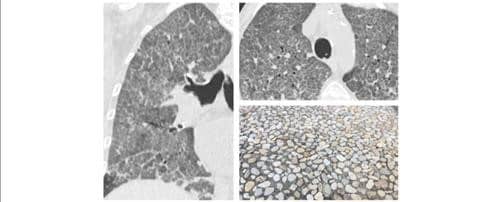
D. PCR tests vs. Imaging for confirming COVID.  The sensitivity of COVID             PCR tests is fair (around 70%), and the results take a while to come back.         An emergency room in New York found that half of all patients with COVID       had an abnormal chest X-ray (usually bilateral, peripheral or basilar                   pattern,  sometimes described as ground glass interstitial pneumonitis).  A         study in China, among patients admitted with COVID, found that 95% had         an abnormal CT scan of a particular pattern.  Some radiologists in the US         have been hesitant to recommend using CT for diagnosis, citing concerns         about the need to sterilize the CT scanner after scanning a patient with             suspicious symptoms.  As their primary justification, they state that there           are methodological problems with the studies published so for on CT’s               specificity for COVID.

     Decisions to test a patient should not be dominated by concern over                 cleaning the equipment.  If patient with hypoxia and a normal Chest X-ray         is admitted to the hospital, given the differential diagnosis, a CT scan                 would often be helpful in ruling out non-COVID pathology, as well as                 helping with in-hospital disposition if the patient does have a pattern                 consistent with COVID, while awaiting PCR test results which have only a         70% sensitivity.

3. Coronavirus Antibody Tests  (Thanks to Dr. Marshall Kubota for gathering these studies) 

A. Pattern of Development of Neutralizing Antibodies.  A Chinese study of 175       patients with COVID found that SARS-CoV2 specific neutralizing                       antibodies developed starting 10-15 days after “onset of disease.”  Patients       with milder disease had lower plasma titers of these antibodies than those         with more severe disease.  Ten patients with confirmed COVID had                   undetectable antibodies, suggesting either a poor response or perhaps that       the PCR test/clinical diagnosis had a specificity of 94% to match its                   sensitivity of 70%.

B. Similar pattern of antibodies was found in a Norwegian Study of H1N1,            which found that 2/46 patients diagnosed with mild H1N1 had no                        detectable antibodies to H1N1.  Again, this may reflect either a poor                  generation of an immune response or a specificity of 96% in the initial                diagnostic test for H1N1.

C. Other Coronaviruses Exhibit waning Immunity over Time.  Interviews of             experts by NPR noted that the more benign coronaviruses that cause the         common cold can cause repeat sickness, even if a person has a                       documented prior antibody response.  Speculations on potential reasons           include genetic variation of the virus over time or some other factor that             impacts the effectiveness of antibodies from prior infection.  Since classic         SARS was found to have a more robust and long-term immune response,         and they were all symptomatic with serious infection, this supports the               hypothesis that surviving more serious illness generates a longer-lasting           and stronger response.

4. Bio-aerosols and masks

A. The study that prompted CDC to recommend wearing face coverings in             public showed that surgical masks reduced coronavirus detection and viral       copies in large respiratory droplets and aerosols from exhaled breathing           (versus coughing, in which some spread occurs with any facial covering).

B. Another study pointing toward potential aerosol spread was done at the US      biohazard containment center in Nebraska.  Presented at a National                  Academy of Science Webinar, Dr. John-Martin Lowe showed that viral RNA      was detected at distances greater than 6 feet from 82% of COVID positive        outpatients in a quarantine facility and was also detectable in air samples in      the hallways outside the patient rooms.  It is not known yet if this viral DNA        was part of infectious viral particles.  In the Q&A, Dr. Lowe quoted a                  Singaporean study that showed that viral RNA was found on particles 1-4          microns in size (bio-aerosol size).  He said it was better to think of Droplet        and Aerosol as being part of a continuum of infectiousness and infectivity in      COVID.  This means that perhaps the aerosol infectivity is less than                  measles, it can still be transmitted via aerosols, particularly in closed                spaces where the infectious aerosols can build up in concentration to a            dose sufficient to infect those who spend time in that space.

C. Dry heat better than autoclave for sterilizing N95 masks for re-use.                    (Thanks  to Dr. Mills Matheson for finding this reference.)  In an earlier              email a couple of weeks ago, I reviewed an article showing that autoclaving      preserved filtration better than alcohol, ultraviolet light and gas sterilization.      A better study looking at various conditions shows that heating masks to           170-200 degrees Farenheit for 30 minutes resulted in a trivial loss of                  filtration, even when repeated 20-50 times.  Filtration started to drop off            steeply at temperatures over 212 degrees.  Steam resulted in greater loss        of filtration integrity (about 2% per steam cycle), explaining why                          autoclaved N95 masks should probably be discarded after just a few                autoclaved cycles, and why the rice cooker sterilization method mentioned        in a prior email is done without adding water to the rice cooker.  A CDC              summary of methods of re-using N95 is not very helpful, listing many                options but not distinguishing between them very well.

5. Other Scientific Updates 

A. Case report of Guillain Barre syndrome associated with onset of COVID            (“parainfectious profile”) instead of “postinfectious profile” seen with Zika          and other viruses.

B. Studies of Compassionate Use of Convalescent Plasma.  The same NAS        webinar as noted above described the state of knowledge of studies of              using plasma from patients who have recovered from COVID to treat                critically ill patients with COVID.  Earlier studies in classic SARS found a          tripled survival rate associated with this treatment.  Starting March 24, the        FDA has allowed compassionate use of convalescent plasma to treat                COVID.  A clinical trial was started on April 3 at Johns Hopkins.  On April 8,      the FDA published recommendations on its use.  Blood banks can collect          plasma from patients recovered from COVID.  See the American Red Cross      website for screening criteria.  For a moving account of one New York City        Oncologist’s effort to find matching plasma for her critically ill brother-in-            law’s father, see this article in the Atlantic.  One recovered patient’s plasma      can be used to treat 3 critically ill patients.

C. Compassionate Use Experience of Remdesivir.  This summary of                       experience with the use of Remdesivir based on compassionate use in             hospitalized patients suggested better outcomes compared to historical             experience.  Controlled trials are in progress.

6. On a lighter note: Personalizing care while wearing full PPE:  put your                       portrait onto your gown.

PPE Portraits

PPE Portraits

See this document for details, credits and a how-to guide.  “PPE Portraits are simply disposable portrait picture stickers (4×5) put on PPE – personal protective equipment.  Anecdotal pilot data captured during treatment of Ebola showed the PPE Portrait Project helped patients feel connected to their caregivers, and helped healthcare workers feel more like a team and less dehumanized, though this has yet to be formally studied.  From a placebo standpoint, we know that provider warmth and competence are positively associated with physiological health biomarkers.  From our standpoint, PPE signals competence; portraits could be one of the only signals of warmth for COVID19 and potentially-COVID19 patients.”

Thanks for your hard work and innovative spirit in this challenging time!

Robert Moore, MD MPH MBA,
Chief Medical Officer

The Critical Importance of the Two Month Well Child Visit: The Key is Rotavirus

PHC expects to achieve accreditation this year from the National Council of Quality Assurance (NCQA).  NCQA requires accredited health plans to report on an expanded set of HEDIS measures, beyond those required by the DHCS in California.  We will start collecting data on these measures this year, and they are likely to become part of the PCP QIP in coming years.

One of these new measures is the childhood immunization “Combo 10” vaccine.  The current vaccine measure includes 7 different vaccines given by the 2nd birthday.  The Combo 10 adds the Influenza, Hepatitis A and Rotavirus vaccines to the 7 vaccines currently measured.

Of these 3 new immunizations, the Rotavirus vaccine will be most likely to affect the vaccination rate.  Why is this the case?

First, there is no partial credit for the Combo-10 vaccine measure.  If even one vaccine in a series is missing, it will not count as a vaccinated child.

Secondly, the vaccine window for Rotavirus is unique; if the child misses early vaccine visits, they can never complete the Combo-10 series.  To understand this better, here is some more detail on Rotavirus and the vaccine:

History of the Rotavirus Vaccine:  In 1973 Dr. Ruth Bishop, an Australian scientist, discovered a new virus and named it rotavirus, due to its wheel-like appearance (rota = wheel in Latin) under electron microscopy.

Rotavirus is found almost everywhere in the environment and can survive for months outside of a human host. It is only found in mammals and is typically transmitted via fecal-oral route. Incubation period is 48 hours or less and symptoms usually last 5-7 days. One of the hallmarks of rotavirus infection is extreme watery diarrhea.

Prior to the introduction of vaccines rotavirus illness was responsible for 400,000 doctor visits, 200,000 ED visits, 55-70,000 hospitalizations and 20-60 deaths every year in the U.S. Worldwide it accounts for almost 500,000 under 5 pediatric deaths every year predominantly in developing countries.

The first rotavirus vaccine, Rotashield, was introduced in 1998 but was pulled from the market 1 year later after it was found to be associated with cases of intussusception. (1 case per 10,000 vaccine recipients) Not until 2006 was a second vaccine, RotaTeq, introduced followed by Rotarix in 2008. Both are oral vaccines and have similar efficacy with the only difference the number of doses. (RotaTeq = 3, Rotarix = 2)

The Challenge: Narrow window for catching up. The most unique thing about the rotavirus vaccine(s) is the administration schedule. Like most of the primary series it is given at a set interval – 2, 4, and 6 months. (or 2,4 for Rotarix) However while most vaccines, if missed or delayed, can be given as part of a “catch-up” schedule, rotavirus vaccines cannot be initiated in children if they are older than 15 weeks. And if the infant has not completed the full schedule by 8 months, no further vaccines are given.

This means if the child misses their two month well-child visits and shows up for a 4 month visit (typically at 16 weeks), they are too late to even start the rotavirus series!

As PHC migrates to a new immunization measure, CIS-10, which includes the rotavirus series this may have an impact on a clinic’s QIP scores. Given this small window of possible vaccine administration it is vital to make timely appointments and not delay any vaccines for the youngest of our members.

Of course, prioritizing infant appointments and keeping them on schedule for Well Child Checks will be vital, not just for rotavirus, but all the preventable illnesses they are vaccinated against.

(Thanks to Dr. Jeff Ribordy, PHC’s Whole Child Model Medical Director, for contributing to this article.)

Alcohol and Drug Use and Health Care Expenses

By Robert L. Moore, MD, MPH, MBA, Chief Medical Officer

In 2017, Partnership HealthPlan (PHC) spent $178 million to provide inpatient medical care for members with a primary or secondary diagnosis of a substance use disorder (SUD).  This represents about 24% of all PHC-covered hospital costs (including costs for maternity and pediatric inpatient care).

Studies done at Kaiser South Sacramento found that an integrated approach to treatment of Substance Use Disorder (mainly Alcohol and Opioid Use Disorders) reduced inpatient hospital and ER visits, saving about $1.44 for every $1.00 spent on integrated treatment (combining SUD treatment, mental health treatment and physical health treatment).  In terms of scale, the potential impact is impressive and inspiring.

PHC is pursuing 3 strategies to improve the quality of life for our members with SUD:

  1. A regional model for health plan administration of traditional SUD services
  2. Support for housing high cost members affected by homelessness
  3. Bolstering the treatment of SUD within primary care and acute care hospital settings.

Regional Model:  First, Partnership HealthPlan is in the midst of negotiations with the California Department of Health Care Services to develop a regional model for providing Substance Use Services to the Medi-Cal population.  These services would include outpatient and residential treatment, as well as Opioid Treatment Centers or “Methadone clinics.”  The provider network for these services is very thin in our service area, so PHC is working to increase capacity.  No other Medi-Cal Managed Care plan in California is seeking to integrate SUD services, although many other states in the United States have done so.

Homelessness:  Second, the combination of homelessness with substance use is associated with high costs.  23% of inpatient expenses for 2017 were incurred by members who were homeless. Studies show that previous policies that required treatment of substance use before offering housing have mostly not helped.  The current trend is “housing first” where housing plus intensive social support is provided, resulting in lower utilization of health care resources and more success in reducing substance use.

In 2017, the PHC invested $25 million to complement local funding to address homelessness, with particular emphasis on those with the highest use of resources.

Leveraging our Current Providers:  Services addressing SUD on different levels can be provided in our current PHC network, including primary care and acute care hospital settings.

Primary care can include medication-assisted therapy for opioid use disorder and home or community based alcohol withdrawal management.  When provided with behavioral health counselling (in many of our Health Centers), this integrated environment has proved successful.  Substance use services provided by primary care clinicians is paid by PHC when provided by PHC primary care or mental health clinicians who are addressing mental health conditions such as depression and anxiety.

Current PHC initiatives support our goal to reduce the burden of SUD in our community:

  • PHC’s successful Intensive Out-Patient Care Management program (IOPCM) provides intensive outpatient care management though agreements with community organizations (mostly Health Centers). About 40% of individuals in this program have some type of SUD.
  • PHC seeks to decrease the number of individuals newly addicted to opioids through limits on initial opioid prescriptions that follow CDC guidelines, part of our Managing Pain Safely
  • PHC is supporting two innovative community-based programs for high risk individuals: the Petaluma Sober Circle and La Clinica Vallejo’s Transition Clinic.
  • PHC is hosting a series of educational events promoting improved care for pregnant women and newborns who are exposed to opioids. The next will be on October 1, with support from the California Healthcare Foundation.  Follow this link to register:  https://opioidexposureinpregnancy.eventbrite.com

For acute care hospitals, voluntary inpatient detox (VID) is covered by state Medi-Cal, but is under-used.  Prior to implementation of the Affordable Care Act in 2014, VID was not covered in acute care hospitals.  State guidance on Treatment Authorization Request criteria was vague, but was clarified this year (as summarized in the Spring PHC Provider Newsletter). When the state finally did announce coverage, it was not widely publicized and unclear billing requirements led to lack of success with reimbursement.  For any acute care hospitals reading this newsletter, here they are:

  • Claims must include a specific phrase in Box 80 {“Remarks” field) on the claim form when billing DHCS for VID for Medi-Cal managed care beneficiaries. The phrase that must be included in Box 80 is “Voluntary Inpatient Detoxification” or “Voluntary Inpatient Detox.”
  • VID TARs should also be submitted with the VID special handling (SH) code, which is “VID”.

Our Hospital Quality Symposium in August featured speakers describing the benefits of initiation of Medication Assisted Therapy for opioid use disorder in the inpatient and emergency department settings.

Summary:  PHC has 3 strategies for addressing the high costs associated with SUD: integration of SUD services at the health plan level, support of “housing first” for homeless individuals with SUD, and support of SUD services provided by physical health providers.

To be successful, we will need to have sustained and meaningful communication with many of our community partners, persuading them to make programmatic changes and work together in new ways.

We at PHC are committed to doing the hard work necessary to make this happen, for the good of our members, our community, and the taxpayers of California.

Benzodiazepine Tapering

By James J. Cotter, MD, MPH, Regional Medical Director

Benzodiazepine Tapering

Benzodiazepines are one of the most used psychotropic medications in the US. Although the indications for short term use include anxiety or sleep disturbances, many adults are prescribed benzodiazepines for years to decades despite warnings against long term use. Side effects of benzodiazepines include sedation and lethargy, impaired cognition and memory, dependency and abuse and increased risk of falls in older adults.  Alcohol increases the risks of side effects as does co-prescription with opioid medications.

Long term use of benzodiazepines is problematic and the significant risks of long term use outweigh any potential (and poorly proven) benefits.  If benzodiazepines are to be used long term, it is preferable to avoid short acting agents and to use the lowest effective dose.  Some benzodiazepines, such as alprazolam, appear more associated with misuse and should be avoided.  Patients using short acting benzodiazepines may increase the dose and frequency due to anxiety or restlessness between doses or difficulty sleeping at night. Warning signs for abuse or diversion include escalating dose or frequency, deteriorating function, “lost” pills, or other evidence suggesting misuse of the drug.  The risk of dependency and abuse is particularly worrisome on opioids and those individuals with a history of substance use disorders.

In some cases, the patient may notice decreased cognitive function or begin having falls and then ask for help in tapering off the benzodiazepine.  One should definitely consider tapering benzodiazepines for your patients who are over 65 years of age, are taking multiple benzodiazepines, or those who have cognitive difficulties and patients with substance or alcohol use disorder.

Outpatient Tapering

Once the decision to taper has been made, what methods work best to safely and effectively taper?  Assuming this is an outpatient setting and there is no evidence of drug abuse or diversion, there are many algorithms for the safe tapering of benzodiazepines. For patients under 65 years of age, most algorithms recommend switching to a long acting benzodiazepine, such as diazepam.  When switching to diazepam, choose a dose equivalent to the short acting agent’s dose.  However, the starting dose of diazepam should not exceed 40 mg daily.  In older patients, the safest options are lorazepam or temazepam since they do not have active metabolites.

Drug

Half Life (hours)

Active Metabolites

Dose equivalent to 5 mg diazepam
Oxazepam 5-15 none 15 mg
Temazepam 8-15 none 10 mg
Lorazepam 10-20 none 1 mg
Alprazolam 6-26 none 0.5 mg
Clonazepam 18-50 none 0.5 mg
Diazepam 20-80 several 5 mg

If the patient is on a high dose of benzodiazepines (over 40 mg of diazepam or equivalent), it may be possible to initially reduce the dose by as much as 25% and then continue decreasing the dose by 10% per week.  Usual therapeutic doses may begin tapering at 10% per week.  Side effects of tapering include anxiety and restlessness, agitation, tremors and panic attacks.  Long term withdrawal symptoms may include anxiety, confusion, depression and cognition/memory symptoms.  Anxiety-related withdrawal symptoms may be mitigated by beginning cognitive behavioral therapy, SSRIs, TCAs or buspirone prior to tapering the benzodiazepine.  Insomnia can be “pre-treated” by cognitive behavioral therapy, TCAs and sleep hygiene education.

For patients with a history of seizures or current active drug use, assistance from an addiction specialist may be necessary.  Patients with severe mood disorders or suicidality may require psychiatric consultation.

A standardized office based approach to dose reduction of benzodiazepines can be very successful. Studies have shown success achieving complete withdrawal in about half of patients on benzodiazepines and a significant dose reduction in another quarter of benzodiazepine patients. The factors indicating the highest likelihood of success are:  a caring clinician, current use of benzodiazepines at a diazepam dose equivalent to 10 mg or less and patients without underlying depression.

Summary:

  • Taper benzodiazepines in patients who are 65 or older, those on multiple benzodiazepines, those with cognitive issues and patients with alcohol or substance use disorder
  • Consider non-benzodiazepine treatment for anxiety or sleep disorders prior to tapering benzodiazepines.
  • Convert patients under 65 to the long acting diazepam at an equivalent dose, but do not exceed 40 mg of diazepam daily.
  • Taper by 10% per week for most patients.
  • Get assistance in tapering for patients with substance use disorder, a history of seizures and patients with significant mental health disorders.

References:

Management of benzodiazepine misuse and dependence. Aust Prescr 2015;38:152-5

Benzodiazepine: Use and Taper.  Canadian Guideline http://nationalpaincentre.mcmaster.ca/opioid/

Helping Patients Taper from Benzodiazepines. National Center for PTSD 2017

Regional variation in referral to Palliative Care: What does it mean?

By Robert L. Moore, MD, MPH, MBA, Chief Medical Officer

Partnership HealthPlan’s new Intensive Palliative Care Benefit has been in place since last winter, but we are seeing wide variation in its use.

In Mendocino, Humboldt and Del Norte Counties, we are seeing strong use of the program, with over 80 patients currently enrolled.  In all the remaining counties, enrollment rates have been very low.

Several studies of intensive outpatient palliative care have shown:

  1. Excellent patient experience/better quality of life
  2. Patients live longer (not shorter)
  3. Health care costs are significantly lower, mostly due to decreased hospital use in the month before death.

What is the explanation for under-use of palliative care in 11 out of 14 counties?

It is not due to an inadequate network.  Partnership has worked diligently to provide a network of intensive palliative care providers that can cover all parts of our service area, including remote frontier areas.

It is also not due to having few patients who qualify.  The eligibility criteria includes:

  1. Stage 3-4 Cancer
  2. Advanced cirrhosis/liver disease
  3. Severe COPD
  4. Severe CHF

Other patients with advanced disease but without these 4 conditions may not be eligible for the full benefit, but may still be referred to palliative care for a comprehensive evaluation with development of a treatment plan.

If you aren’t sure if a patient qualifies:  make the referral!  The palliative care team will assess the patient and get them on the right track.

Low rates of use of intensive outpatient palliative care are primarily related to low rates of referrals of appropriate patients.  Specialists, hospitalists, and primary care physicians are not identifying patients who are good candidates and referring them to their palliative care colleagues for evaluation and management.  Many physicians interpret the term “palliative care” as being the same as hospice.   While hospice care is part of the spectrum of palliative care, the rules for enrollment into hospice are rather rigid:  no curative care; patient expected to live 6 months or less.     In intensive outpatient palliative care, the patient has an expected life expectancy of less than 1 year, and may be receiving concurrent care whose goal is to cure the disease or otherwise ameliorate symptoms.

Which organizations are providing Intensive Outpatient Palliative Care in your region?  See the chart below.


Counties Served Organization Referrals
Del Norte Resolution Care Phone: 707-442-5683
Humboldt Resolution Care Phone: 707-442-5683
Lake Hospice Services of Lake County Phone: 707-263-6270 ext 140
Lassen Resolution Care Phone: 707-442-5683
Marin Hospice by the Bay Phone: 415-444-9510
Mendocino Resolution Care Phone: 707-442-5683
Modoc Resolution Care Phone: 707-442-5683
Napa Collabria Care Phone: 707-258-9080
Shasta (Redding vicinity)Shasta Medical Home Care Professionals Phone: 530.226.5577
Resolution Care Phone: 707-442-5683
Siskiyou (Yreka vicinity) Madrone Hospice Phone: 530-842-3160
Resolution Care Phone: 707-442-5683
SolanoSolano (Vallejo) Continuum Hospice Phone: 707-540-9838
Collabria Care Phone: 707-258-9080
Sonoma Collabria Care Phone: 707-258-9080
Hospice By the Bay Phone: 415-444-9510
Trinity Resolution Care Phone: 707-442-5683
Yolo Dignity Health – WoodlandYolo Hospice Phone: 916-281-2370Phone: 530-758-5566

Get help for your patients who are nearing the end of their lives, but may not be ready for hospice.  Refer them to your local palliative care team!

Robert Moore, MD MPH

Chief Medical Officer


Statins Guidelines – Comments from an Older Man

By James C. Cotter, MD, MPH, Regional Medical Director

The 2013 American College of Cardiology and American Heart Association (ACC/AHA) guidelines recommended treatment with statins for 4 categories of individuals:

  1. Secondary prevention for those with established ASCVD
  2. Primary prevention of ASCVD for those with LDL-C ≥190 mg/dL
  3. Primary prevention of ASCVD for individuals with diabetes mellitus and LDL-C of 70 to 189 mg/dL
  4. Primary prevention of ASCVD for those without diabetes mellitus, with LDL of 70 to 189 mg/dL, but with an estimated 10-year absolute risk of ≥7.5% as assessed by the Pooled Cohort equations.

I don’t think any of us disagree with the first three recommendations since they are clearly associated with known or increased risk of ASCVD in our patients. The last recommendation, however, has troubled me, especially since, as an older man, I should be taking a statin.

As noted above, the ACC/AHA guidelines recommend treatment if the 10-year risk of ASCVD is greater or equal to 7.5% in people without ASCVD or diabetes. The ACC ASCVD risk estimator shows that a non-smoking man without diabetes or hypertension at age 61 has a current 10-year ASCVD risk of 7.6% (Variables entered in the calculator: BP 130/80, total cholesterol 140, HDL 45, LDL 90, no DM, never smoked). A woman would reach the 7.5% risk between 68 and 69 years of age.

I know that statins are well tolerated in many individuals. The risk of unfavorable side effects is much less than the beneficial effects in reducing heart disease morbidity and mortality. Nonetheless, statins may have adverse effects and have been associated with myopathy, rhabdomyolysis, hepatotoxicity, peripheral neuropathy and many more side effects in some patients. Should hundreds of millions of people take statins with sales well over $22 billion per annum based on the ACS risk calculator?

A recent article in the Journal of the American Medical Association (JAMA 2018;319(15):1566-1579) showed some interesting findings. This meta-analysis of 136,299 patients showed that all-cause mortality was clearly reduced in patients with higher baseline LDL-C levels who were treated with statins. The association was not present when the baseline LDL-C level was less than 100 mg/dL.

It makes sense to me that lowering a high LDL is a good idea for patients with increased ASCVD risk, but it is not clear to me that taking a statin is the right thing to do for a low risk man who just happens to be over 61 years of age or a low risk woman who reaches age 68, but who have a baseline LDL-C level below 100. We should prescribe medications only when the evidence shows the benefits outweigh the risks, even if those risks are small.

Disclosure: this is just the opinion of an older man who doesn’t like taking medication.

James Cotter, MD MPH


References:

Circulation. 2016;133:1795-1806

JAMA. 2018;319(15):1566-1579

ACC ASCVD Risk Estimator Plus: http://tools.acc.org/ASCVD-Risk-Estimator-Plus/#!/calculate/estimate/

Depression and other mental health issues in the elderly–with a special note on falls and depressions

By Karen Stephen, Ph. D., Mental Health Clinical Director, Partnership HealthPlan of California

ISSUES:

As a Medi-Cal MCP, we don’t often think about serving elderly or 65+ Members, but October 2017 Medi-Cal eligibility tables indicate that 45,145 Medi-Cal eligible 65+ Members reside in PHC’s 14-county service area. When divided by Aid Group, 323 of those are listed under Parent/Caregiver Relative & Child (let’s give a shout out to those grandparents who are raising grand- or great-grandchildren!), 524 are Undocumented, and 36,562 fall within the SPD (Seniors and Persons with Disabilities) category. Nearly all of 65+ Members (40,137) are listed as dual eligible (meaning Medicare would be the primary insurer for mental health care instead of Beacon Health Options).

Isn’t it interesting that once you’re over 65 (speaking as a person who is 74), that you automatically get lumped in with those with a disability. Perhaps as a nation, we do see age simply as the “final” disability instead of seeing aging as our golden passport into the “venerable elder” category.

According to the World Health Organization, the most common mental health problems in this age group and the percentage affected world-wide are dementia (5%) and depression (7%). Anxiety is seen in 3.8%, and substance use disorders in 1%. Remarkably, one-quarter of all deaths from self-harm are among people 60 and above. In addition, one in ten are vulnerable to elder abuse (physical, verbal, financial, sexual, or abandonment/neglect). Reduced mobility, chronic pain, and frailty combine to require long term care. Other factors such as bereavement, drop in socioeconomic status lead to isolation and loneliness.

And here are some startling statistics: There are currently 50 million people with dementia (60% residing in low to middle income countries). There will be 82 million in 2030 and 152 million in 2050. Calculate for a moment how old you will be 12 or 32 years from now—and think about what chances you will have of receiving treatment and resources for possible dementia at that age!

Two other important issues cited by WHO:

  • Elders with depression have POORER functioning than those with chronic medical conditions such as lung disease, hypertension, and diabetes.
  • Depression increases the PERCEPTION of poor health and thus increases utilization of healthcare services and costs.

The CDC cites some other important issues:

  • Depression is more common in those who have other illnesses and whose function is limited
  • Older adults are underdiagnosed—symptoms of depression are seen as just a natural reaction to illness or life changes and, therefore, not to be treated. And, even worse, older adults share this belief.
  • Estimates of occurrence of depression is 13.5% in those who require home health care, and 11.5% in those hospitalized.

Here is a FACT SHEET for Depression in Older Persons distributed by NAMI, for an in depth discussion of the topic.

TREATMENT:

In treating patients 65+ for mental health disorders (because the majority are duals), they will not be eligible for Beacon services even though their condition may fall within the mild to moderate range. If you do not have resources within your clinic to treat these patients under Medicare (pamphlet on Medicare Mental Health Services), then two resources for finding mental health professionals in your community who accept Medicare is the Medicare Physician Compare page or the Psychology Today website.

But the old adage applies. You can lead a horse…etc. The main referral issue is that, as cited above, seniors are not likely to see the need for mental health care and are even more sensitive to the stigma issue because of their generation. A recently published major study of 240,000 patients receiving a diagnosis of depression in the PRIMARY CARE setting, indicated that only 37.5% start treatment, that those 60+ were half as likely to start treatment than those under 44, and that 80% chose medication over psychotherapy (with only 7% of those over 75 choosing therapy). Here are some tips to increase odds of the elderly accepting psychotherapy as a treatment option for depression:

  • Do use the PHQ-9 to diagnose their depression. But in discussing the results, use a TRAUMA INFORMED approach. Focus not on what is WRONG with the patient but WHAT THEY ARE GOING THROUGH. For example:
  • DON’T SAY: Our screening indicates you are suffering from depression and I recommend [medication and psychotherapy options].
  • DO SAY: Seniors your age who have gone through so much [cite their specific chronic illnesses, losses, changes in economic status, falls, and isolation] that they often suffer from depression. I can prescribe medication but you can also learn coping skills and get needed support from a therapist or counselor. Can I help you find someone you can talk to about your life situation and needs at this time?
  • Of course, if there are risk factors present (age, in and of itself, being one of them), be sure to use County crisis services or law enforcement as needed for crisis intervention.

MEDICATION:

As a psychologist I cannot make recommendations regarding medication in the treatment of mental health problems in the 65+ population, but I will pass along some general recommendations from sources available online.

From an article on Pharmacologic treatment of depression in the elderly (2014):

  • Motto: START LOW and GO SLOW!
  • Initial dosing should be half of the usual adult starting dose and be titrated regularly until the patient responds, until the maximum dose is reached, or until side effects limit further increases.
  • Common side effects of medications include falls, nausea, dizziness, headaches, and, less commonly, hyponatremia and QT interval changes.

And on the risks of using antidepressants and benzodiazepines for depression and anxiety in the elderly from an article on Geriatric pharmacotherapy (2015)

  • Antidepressants.For the elderly, the most significant risks include anticholinergic, sedative, cognitive, cardiovascular (blood pressure and conduction), falls and increased bleeding (made worse for the elderly already receiving anticoagulant medication).
  • The problems with using benzodiazepines in the elderly include a reduced capacity to metabolize the drugs in the elderly (increasing their t1/2 and increasing the risk for toxicity); active metabolites in some of the medications (essentially creating an extended release function); the side effects of cognitive (executive function), memory and attentional deficits (functions which may already be impaired in the elderly); decreased reaction time; and increased risk for falls. Add to this that benzodiazepines may cause paradoxical reactions (i.e., increase agitation) in the elderly; can produce carryover effects next day; and can produce tolerance, dependence and respiratory depression. Also, once started, benzodiazepines are notoriously difficult to withdraw.

An important resource for prescribing to the elderly is the American Geriatrics Society (AGS) Beers Criteria (2015) providing information on medications that are either ineffective or high risk when used to treat elderly patients.

A LAST PERSONAL NOTE on FALLS AND DEPRESSION:

As a senior who had a recent fall when on vacation and sustained a head injury, I have become well aware of the risks of falling and its connection to depression. The trauma and subsequent mobility limitations and social isolation almost immediately triggered depressive and anxiety feelings—even while I was still in “paradise” (kudos, by the way, to the marvelous staff at Kaiser Moanalua in Oahu during my 2-day stay). And this occurred in someone not compromised by chronic illness, mobility or balance issues, not under the adverse effects of any substance or medication, and not cognitively impaired (at least not before the accident!). How much more significant a fall is in terms of personal and societal costs for seniors who have these comorbid conditions.

The U.S. Centers for Disease Control and Prevention cite that:

  • One in four Americans aged 65+ falls each year.
  • Every 11 seconds, an older adult is treated in the emergency room for a fall; every 19 minutes, an older adult dies from a fall.
  • Falls are the leading cause of fatal injury and the most common cause of nonfatal trauma-related hospital admissions among older adults.
  • Falls result in more than 2.8 million injuries treated in emergency departments annually, including over 800,000 hospitalizations and more than 27,000 deaths.
  • In 2014, the total cost of fall injuries was $31 billion.
  • The financial toll for older adult falls is expected to increase as the population ages and may reach $67.7 billion by 2020.
  • Falls, with or without injury, also carry a heavy quality of life impact. A growing number of older adults fear falling and, as a result, limit their activities and social engagements. This can result in further physical decline, depression, social isolation, and feelings of helplessness.

Seniors can find evidence-based fall prevention and balance programs through their Area Agency on the Aging or their Public Library. Members assigned to Kaiser Permanente can register for Fall Prevention classes there. Some counties have fall prevention services that can assess homes for risks of fall and provide advice and night lights.

Diagnosis of Celiac Disease

By Robert Moore, MD, MPH, MBA, Chief Medical Officer

Clinical Case:  A 23 year old woman with a several year history of gastritis (with prior treatment for H. pylori), migraine headaches, geographic tongue and anemia has a complete blood count ordered by her primary care physician, finding a hemoglobin of 9.7 with microcytic indices.  She has an uncle with gluten intolerance, first developing these symptoms after being treated successfully for H. pylori-associated duodenal ulcer disease.

What is the probability that this woman has Celiac disease?  What does Helicobacter pylori infection have to do with Celiac Disease?  What is the best first test to perform?


Celiac Disease is an autoimmune disease affecting about 1% of the U.S. population, but 83% of these individuals are either undiagnosed or diagnosed with other conditions without making the link to the underlying Celiac Disease.  Of those 17% who are diagnosed, the mean time between onset of symptoms and diagnosis is between 8 and 11 years.  It is arguably the most underdiagnosed and misdiagnosed condition in the United States, although this is beginning to change, thanks to new genetic and antibody tests that help point to the right diagnosis before doing a confirmatory duodenal biopsy.  Primary care providers need to know what signs, symptoms and blood tests should prompt further workup, and how to do the initial, low-invasive testing.

On the flip side, there are a growing number of people who have (or believe they have) gluten intolerance, who do not have Celiac disease.

The history of the discovery of Celiac Disease is a case of an astute clinician making an observation under conditions of a natural experiment.

In the 1930s, Dutch pediatrician Willem Dicke was studying a mysterious, often fatal disease among children, where they were losing weight and malnourished in spite of plenty of vitamin-rich caloric intake.  While he suspected this malabsorption syndrome was related to diet, he was not able to pinpoint the culprit until the winter of 1944, during World War II.  Dutch railway workers held a strike in support of the Allies, prompting the Nazis to cut off food shipments to Dutch civilians, which led to mass starvation, except for Dr. Dicke’s pediatric patients, who actually got better.

During 1945, the allies parachuted bread to Holland, ending the Hunger Winter, ending the starvation, but Dr. Dicke’s patients immediately relapsed.  He hypothesized that grains were the cause of the malabsorption syndrome.  He performed an experiment on the children, putting them on a gluten free diet, showing that the symptoms were completely gone, then put them back on a regular diet, showing that the symptoms came back.


Causes of Celiac Disease:  As an autoimmune disease, there is a combination of a genetic predisposition and environmental factors.

  1. Genetic:  In terms of genetic predisposition:  95% of those with Celiac Disease have a gene called HLA DQ2, and most of the remainder have HLA DQ8.  However, of those individuals with either the HLA DQ2 or HLA DQ8 genes, only 3% have Celiac Disease.

In summary, although negative genetic testing can rule out celiac disease, a positive test cannot confirm the diagnosis.

Thirteen additional genes are associated with an increased risk that those with DQ2 or DQ8 will develop Celiac Disease.

Among first degree relatives carrying the DQ2 or DQ8 gene, 30% of symptomatic first degree relatives have Celiac Disease, and 10% of asymptomatic first degree relatives also have the disease found on intestinal biopsy.  Overall, between 5 and 22% of individuals with Celiac Disease have a first degree relative who also has Celiac Disease.

  1. Exposure to Gluten: The incidence of Celiac Disease is higher in populations with larger consumption of wheat.  Thirty years ago there was literally an epidemic of Celiac Disease in Swedish infants, when low rates of breastfeeding combined with standard use of wheat in infant formula, which led to diarrhea and failure to gain weight.  In the 1980s, Celiac Disease was widely recognized and diagnosed in Italy, a country with a culinary culture of pasta, bread and pizza dough, all rich in gluten.  Northern India (which consumes more bread) has a higher rate of Celiac Disease than southern India, where rice is the staple.
  1. Protective Factors: When genetic factors and diet are the same, the incidence of Celiac Disease is lower in lower income populations compared to higher income populations, as found in epidemiological studies.  Using stored serum samples, researchers have found a four-fold increase in incidence of Celiac Disease over the past 50 years.  While overall income has increased in that period, what is the underlying cause for this association?

An epidemiological study published in 2013 suggests one potential mechanism for this finding:   Helicobacter pylori infection, whose incidence is higher in low income populations, is associated with half the rate of Celiac Disease.  Increased recognition of H. pylori infection as a cause of gastritis and peptic ulcers has led to widespread treatment, solving one problem but potentially increasing the risk of another.   There may be other protective factors related to other bacterial flora which we do not yet understand.


Clinical Diagnosis:

Many common conditions of the intestinal tract and elsewhere in the body may be associated with Celiac Disease, either directly by the autoimmune process, mediated through the resulting malabsorption/malnutrition/vitamin deficiency or associated with the psychological stress of the other symptoms.  These include:

  • Vitamin deficiencies (Iron, B1, B12, A, D, E, K etc.), with symptoms associated with these deficiencies (easy bruising, pallor, fatigue/weakness).  Iron deficiency in an adult should prompt consideraration for testing for Celiac Disease.
  • GI symptoms (abdominal pain, bloating, gas, reflux, indigestion, nausea, and diarrhea)
  • Lactose intolerance
  • Weight loss or falling off normal growth curve in children
  • Reproductive conditions: menstrual irregularities, infertility, recurrent miscarriages, delayed puberty
  • Oral health conditions: aphthous ulcers, dental enamel abnormalities, geographic tongue (this study showed 15% of patients with geographic tongue have Celiac Disease, 80% of these had no abdominal GI symptoms!)
  • Neurologic conditions: peripheral neuropathy, ataxia, epilepsy, concentration and learning difficulties, migraine headaches
  • Psychological conditions: depression
  • Other: elevated liver enzymes (don’t assume fatty liver!); bone and joint pain

Laboratory Diagnosis:

All tests listed here are covered by Partnership HealthPlan, without any prior authorization requirement.

The first line tests for individuals with symptoms are antibody tests:

  1. Tissue transglutaminase (TtG) IgA or IgG elevated
  2. Endomysial (EMA) IgA elevated
  3. Total IgA
  4. Deaminated gliadin peptide (DGP) IgA and/or IgG present

These can be ordered in a panel from Quest Diagnositics:  the Celiac Disease Diagnositc Panel uses lab code:  15681.

The Celiac Disease Diagnostic Panel has a hyperlink:  http://www.questdiagnostics.com/testcenter/TestDetail.action?tabName=OrderingInfo&ntc=15681&searchString=

Having noted these potential tests, the algorithm for using these antibody tests with the tests below is complex; the Mayo Clinic algorithm is a good example.
Mayo Clinic Celiac Disease Diagnostic Testing Algorithm

Genetic tests for HLA DQ2 and DQ8 can be ordered through all major laboratories serving PHC patients.  As noted above, this is best used to rule out Celiac disease or to test for genetic predisposition in families with Celiac Disease.  The Quest lab code is 17135 (HLA typing for Celiac Disease).  Like most genetic tests, it is expensive and only covered once in a lifetime for an individual patient; it should only be ordered if the clinician is sure it has not been ordered before.

A definitive diagnosis requires intestinal biopsy, conducted by upper endoscopy after a period of time consuming gluten daily.  During the endoscopy, villous atrophy is often noted visually.  Re-biopsy several months after being on a traditional gluten-free diet is required, as 20% of individuals with Celiac Disease also have intolerance to the gluten-like proteins in oats, others may react to the gluten-like proteins in corn.

Although not standard in the United States, some European physicians will omit the initial confirmatory biopsy in symptomatic individuals with all 3 of the following:

  1. Elevated TgG IgA
  2. Elevated EMA IgA
  3. HLA-DQ2 or HLA-DQ8 positive.

Note that this is different than the practice in the Unites States, which always a confirmatory biopsy for cases very suspicious of Celiac disease.

Case Follow Up:

As noted above, the diagnosis of geographic tongue alone gives her a 15% risk of having Celiac Disease.  Having a second-degree relative with Celiac-like symptoms probably adds some additional risk; if he had a definitive diagnosis of Celiac, it would be about a 5-10% independent risk for this woman.  The prior treatment of Helicobacter pylori infection may have increased her risk as well.

She had positive TgG IgA and EMA IgA, followed by a confirmatory small bowel biopsy.  After initiating a gluten free diet focused on avoiding wheat, barley and rye, combined with vitamin supplementation, her abdominal symptoms, anemia, geographic tongue, depression, and migraine headaches all resolved.